The fact he’s named kinda brushes over the fact this is a wild elephant. Born in the wild, raised in the wild, the only human interaction is watching the safaris. And after mean humans shot him, he decided the best course of action was to go visit the nice humans who just take pictures in hopes they’d help him. And then, even though they didn’t help him right away, he trusted that because they continued to be nice, he was safe, and they would help him.
also the people saw an elephant and were like “that’s a ben”
i hope he tells the other elephants where they can get help
Orphans who were rescued, raised, and released by the David Sheldrick Wildlife Trust in Kenya have communicated that it is a place of safety to other elephants who’ve never even been there.
Injured animals will show up there when they have been harmed by poachers because they know it is a place where they can get help!
i am very glad elephants have a functioning yelp system
I KNEW IT. I KNEW THIS DAMN GAME WOULD STILL BE A BUGGY MESS LIKE THE FIRST. THE ONLY DIFFERENCE IS IT LOOKS SO MUCH MORE REAL NOW THAT I FEEL LEGITIMATE SADNESS FOR NPCs GETTING BULLDOZED BY FAUNA.
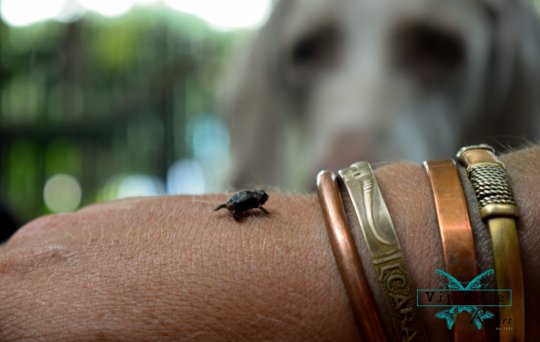
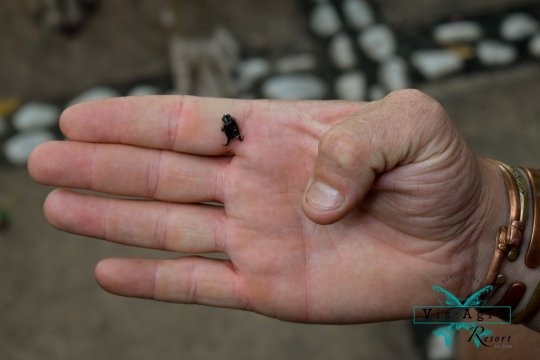
Now, the term “criminally small” gets thrown around a lot on this blog. But I ask you… are you ready to behold true tininess?
This baby Mozambique rain frog [Breviceps mossambicus] was found and phtoographed near the Vis-Agier resort in Sodwana Bay, South Africa. These frogs require no water source to reproduce, instead laying eggs underground which then hatch by direct development into tiny frogs like the one you see above. These frogs inhabit a wide range of central and southern Africa, and are most commonly found after brief periods of rain. Images by Vis-Agie Resort on Facebook.
The underground homes, often a
century old, are topped with gardens exploding with lush dune
grass, diamondleaf willows, and yellow wildflowers—a flash of color in
an otherwise gray landscape.
“They’re bright green and everything around them is just brown,” says Brian Person, a wildlife biologist for the North Slope Borough in Barrow, Alaska. “It pops”…
I can die happy now that I know this fact.
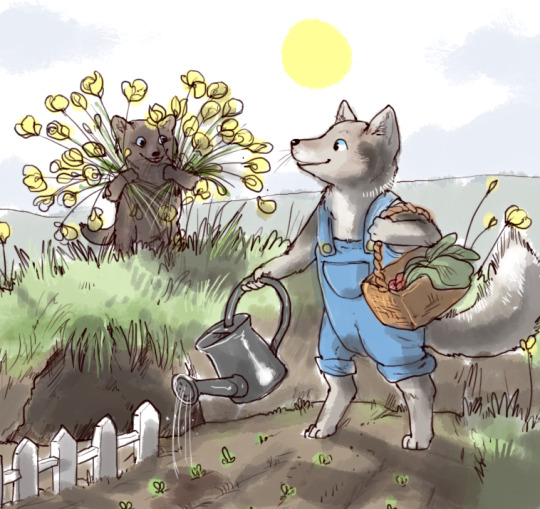
I am now picturing soft little foxes with watering cans and spades planting and tending to their Fox Gardens
Reading the article, I love that they don’t stay there; they migrate around the arctic and many different unrelated families of foxes might rotate through the dens as they migrate, timeshare style. Some dens are literally hundreds of years old, rotating residents the whole time. So the little foxes aren’t just planting a garden for themselves, they’re planting for all the future foxes that might make that den their temporary home.





 i'll apple your turnover