
the thing I really like about The Good Place is that it thematically revolves around ethics and what makes a person good or bad (both in the sense of– how do we define good and bad, and in the sense of–what aspects of someone’s formative environment and social group influence how they will treat other people).
and the conclusion that the show comes to over and over is both that it is possible to become a better person, and because it’s possible we owe it to each other to keep trying to be better– for all eternity if we must.
there’s no end to it, and (should I make a prediction) no real “good place” where you’ve gotten to the finish line and “won” at being a good person. it’s an eternal commitment to other people.
you create your own good place, because whether you’re in a good place or a bad place is defined by how people treat each other. when your community has collectively learned to respect, value, and help each other, you experience the peace and support that you might have once imagined in the abstract being awarded to the truly “good”
Sartre famously said that the Bad Place is other people. The Good Place argues that the Good Place is, too.
That’s because Mike Schur is Jewish.
The underlying theme of all of his shows is essentially chesed (חֶסֶד), which basically translates to loving-kindness. But not just like, loving kindness? But a DUTY to loving-kindness, a duty to tikkun olam, or repairing the world through acts of genuine chesed.
Tahani was committed to good works, but not out of a commitment to loving-kindness. Not for others and, tbh, not for herself, since she spent her whole life feeling “less” than Kamilah. To love others as yourself, you have to love yourself.
Similarly, Chidi was desperately unkind and unloving to himself, and thus denied the *whole world* loving-kindness. TGP shows this in the way Chidi’s thought- and behavior patterns that hurt him throughout his life were also inherently harming the people around him who loved him.
Eleanor purposely acted against loving-kindness, to the point where seeing others engaged in it made her angry.
Jason, honestly, had a very kind and loving soul, but his actions caused harm to others (whether that was his intention or not, and honestly it seems like he mostly just didn’t understand the impact of his choices a lot of the time… but harm is harm).
“You are not obligated to complete the work, but neither are you free to desist from it,” “learn to do good,” etc. I’m not saying that TGP ~is Jewish, because it’s not, but I AM saying that you can see Schur’s ethical framework in his art, and trying to look at any of his shows through a Christian lens is going to skew them.
Also the whole thing where there’s not really a heaven nor a hell, and that it seems like in The Good Place’s eschatology, actions are ultimately judged solely by the impact they have on others – which I feel like was also one of the main themes of Parks & Rec, and is wrestled with in B99. The highest ethical order is chesed.
Ok now I’m struck by the fact that there’s 4 main humans in this show and for some reason my brain immediately went to the 4 children from the Passover Seder and it fits so well?
Like obvs Chidi seems the choice for the wise and Eleanor fits the wicked, and it’s tempting to say Jason is the ignorant child, but then I realized he spent much of S1 in silence and is the child who cannot ask. Which leaves Tahani as the ignorant child which imo fits as well.
Author: LectionaryStan

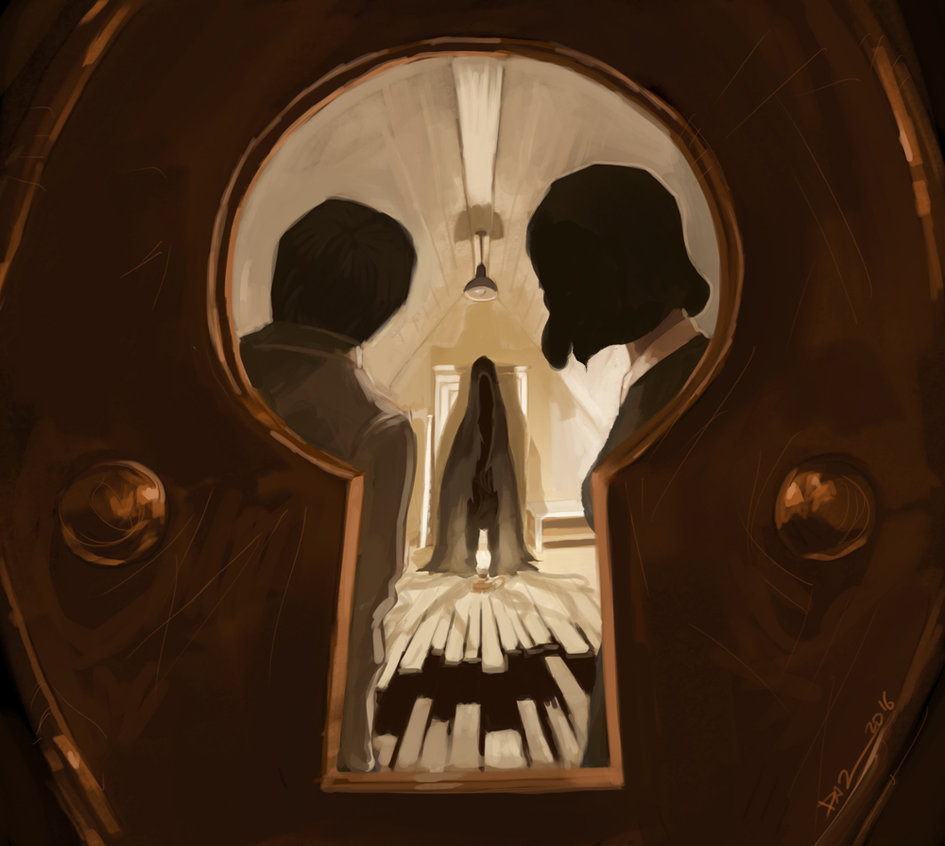
The Attic
an updated and repost of a piece i did last year. Something bout two kids confronting a cultist/horror/monster in the attic seen through a keyhole. Playing with illusions.
Oh my God this is so good
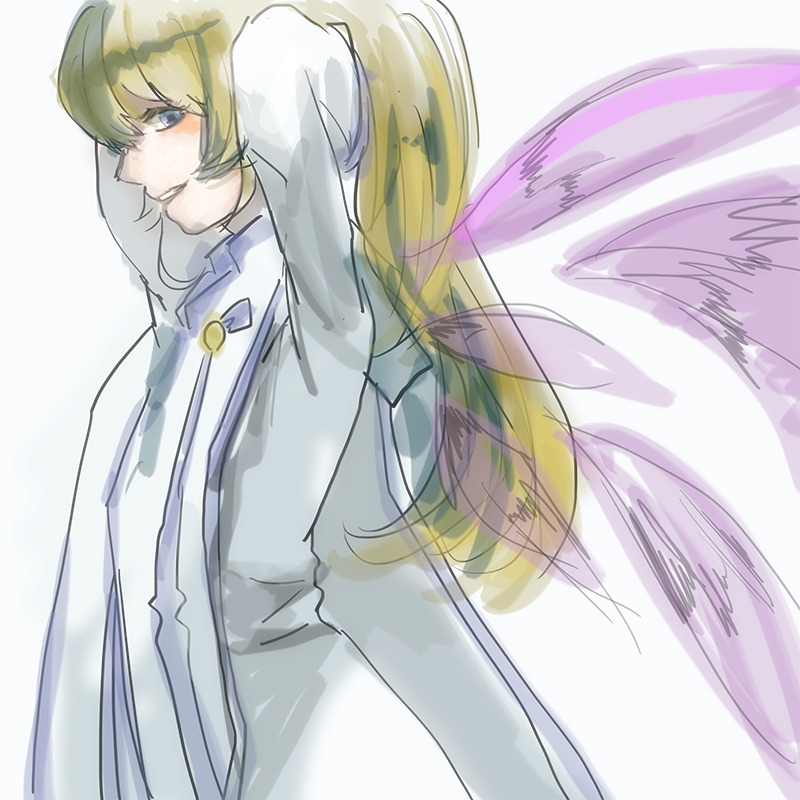




okay so like i know i havent posted any art in a WHOLE MONTH but ive been drawing stuff i swear
like for example i was trying to come up with world-specific outfits for aqua terra and ven bc i still mourn the wasted opportunity square enix didnt exploit
Ghostlings practicing their “you’re my guardian” speech in front of a shiny surface.
Ghostlings who watch guardians pass by and imagine them being theirs.
Ghostlings who search for hundreds of years and lose their voice when they find their destined partner.Ghosts who seek out the speaker because their guardian is gone, “speaker i can’t find my guardian. Speaker there were so many hive and he threw me and the gate closed. Speaker I don’t know what to do” and then they become silent observers again, like all those years ago, watching ghosts turn up with their newly risen guardians and feeling envy and hate and so much grief.
Oh my god my heart
Alternately: other guardians adopting Ghosts who no longer have a Guardian. Guardians with with two or more ghosts and they give all of them equal amounts of attention and work. Guardians going on rescue/recovery missions to either save the fallen guardians or give their ghosts closure. Ghosts who no longer have guardians working in the city to decrypt golden age medical devices to help people, ghosts in the city telling the stories of the guardians to the children- how brave they are and how hard they work, and the sacrifices they make for them. How much they love them. Ghosts who actually get second chances and feel a calling and a pull towards the Traveler- who can sometimes manage to choose a new Guardian for them. Ghosts who learn to be happy again. Ghosts who are comforted by the speaker in ways only he can comfort them.
I always felt like the dead Ghosts in D1 were Ghosts of Guardians who never made it home. They were in the crevices we found them in because in their pain and sorrow of losing their Guardians, they just laid down to die.
Okay.
No.
GO TO YOUR ROOM.
 i'll apple your turnover