






not to be dramatic but if dalinar kholin asked me to die for him I’d already be in uniform
wait no I think I figured it out
‘pee your pants’ bothers me most b/c nobody is allowed to be bothered by it
it’s too silly to be offensive
it’s too childish to be upsetting
‘hey, it’s better than saying ‘kys’’ (it is, but that doesn’t mean it’s completely ok)
it’s not actually sexual (i mean some people kink on it but don’t assume that’s how it’s meant or you’re the weird one)
it’s ableist towards people who experience incontinence, but as incontinence has a lot of stigma attached people understandably aren’t stepping forward to complain (so it can be safely ignored)
on the scale of anti nastiness, it’s basically nothing
it’s so absurd it’s practically a joke insult. in fact it is a joke. why can’t you take a joke?
stop being so sensitive, people say worse things all the time
and if you try to pin it down as mean, insulting, and intentionally invoking humiliation, most everyone (including anti-antis) can agree that you’re just overreacting.
If you are so committed to being perfectly lawful that you cannot see the value of breaking a law to defend yourself or others, you’re not good, you’re obedient.
tfw you don’t know if it’s social commentary or d&d meta
both?
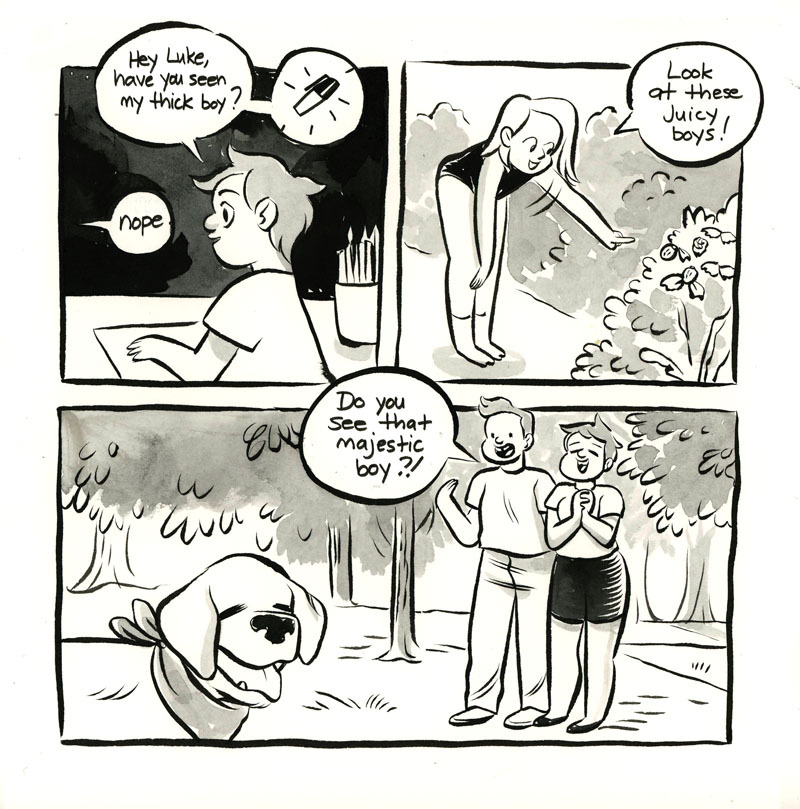
“Throughout the day, partners would make requests for connection, what Gottman calls “bids.” For example, say that the husband is a bird enthusiast and notices a goldfinch fly across the yard. He might say to his wife, “Look at that beautiful bird outside!” He’s not just commenting on the bird here: he’s requesting a response from his wife—a sign of interest or support—hoping they’ll connect, however momentarily, over the bird.
The wife now has a choice. She can respond by either “turning toward” or “turning away” from her husband, as Gottman puts it. Though the bird-bid might seem minor and silly, it can actually reveal a lot about the health of the relationship. The husband thought the bird was important enough to bring it up in conversation and the question is whether his wife recognizes and respects that.
People who turned toward their partners in the study responded by engaging the bidder, showing interest and support in the bid. Those who didn’t—those who turned away—would not respond or respond minimally and continue doing whatever they were doing, like watching TV or reading the paper. Sometimes they would respond with overt hostility, saying something like, “Stop interrupting me, I’m reading.”
These bidding interactions had profound effects on marital well-being. Couples who had divorced after a six-year follow up had “turn-toward bids” 33 percent of the time. Only three in ten of their bids for emotional connection were met with intimacy. The couples who were still together after six years had “turn-toward bids” 87 percent of the time. Nine times out of ten, they were meeting their partner’s emotional needs.”
…
“Kindness… glues couples together. Research independent from theirs has shown that kindness (along with emotional stability) is the most important predictor of satisfaction and stability in a marriage. Kindness makes each partner feel cared for, understood, and validated—feel loved. “My bounty is as boundless as the sea,” says Shakespeare’s Juliet. “My love as deep; the more I give to thee, / The more I have, for both are infinite.” That’s how kindness works too: there’s a great deal of evidence showing the more someone receives or witnesses kindness, the more they will be kind themselves, which leads to upward spirals of love and generosity in a relationship.
There are two ways to think about kindness. You can think about it as a fixed trait: either you have it or you don’t. Or you could think of kindness as a muscle. In some people, that muscle is naturally stronger than in others, but it can grow stronger in everyone with exercise. Masters tend to think about kindness as a muscle. They know that they have to exercise it to keep it in shape. They know, in other words, that a good relationship requires sustained hard work.
“If your partner expresses a need,” explained Julie Gottman, “and you are tired, stressed, or distracted, then the generous spirit comes in when a partner makes a bid, and you still turn toward your partner.”
CrazyRioter: Would Maya have wanted to bond with Adolin if she were alive?
Brandon Sanderson: I think so.

I like the way that eagles and osprey perch on high places so they can see it all. I think angels would do the same.
I can’t believe no one has posted a clip of this yet. This is one of the funniest bits in the whole show.

 i'll apple your turnover